-
Things I’m Doing For My Health Right Now
I’m a huge advocate of being proactive when it comes to your health, so I today I’m sharing some of the ways I’m doing this right now.
Lately, I’ve had the feeling that no matter what I do for my health, it feels kind of futile. That’s one of the sucky things about being chronically ill—you can do all the right things, and still be, well, chronically ill. Plus, I’ve been dealing with the cold weather (one of my triggers), health set backs, and—oh joy—new symptoms. It’s frustrating and ironic when your health is one of the things keeping you from being proactive about your health.
Thus, this blog post. I thought it would be helpful to record the ways I can be proactive about my health, and how these actions do help, even if just in a small way.
Some of the items on my list may look a little random, or not the kind of things you would associate with “health.” Most of these things aren’t specific to helping any one health condition, like my dysautonomia, fibromyalgia, asthma, autoimmune disease, ME/CFS, etc. But I’ve been trying to pay attention to what is zapping my energy or causing me stress. Viewing a problem as an opportunity to improve my health helps in two ways: 1) this helps me clarify a goal (less energy output or stress) and 2) this helps motivate me to make positive changes (by reminding me that this is important to my overall wellbeing). This clarity and motivation is enough to break through my brain fog and exhaustion so that I’m able to work on my health.
My hope is that this post will help you take a look at what you’re doing for your own wellness, or inspire you to think of new ways you can include more self care in your life. And when you make that list, I hope your reaction is similar to mine: I might be limited in what I can do for my health right now, but I’m doing the best I can.
-
Create a Laughter as Medicine Kit
This post is all about ideas for adding more laughter to your life!
While laughter may or may not be the best medicine, it sure can make a difference.
I’ve been compiling a list of things that make me laugh, and it’s turned into a kind of first aid kit for making me feel better. Being intentional about cultivating joy and laughter has been even more important to me since I’ve been dealing with multiple chronic illnesses as well as chronic pain. Maybe you’re dealing with similar health challenges, or just looking for tips to improve your wellbeing. So I’m going to share ideas with you so you can make your own customized laughter kit!
Having a list of funny resources has been helpful because my brain is often fried due to chronic illness (hellooooo brain fog!). Instead of having to hunt around when I need a pick me up, I can use my kit as a jumping off point. (I printed my list off, but you can save it to your phone or wherever makes sense for you.)
Oftentimes, when I need a pick-me-up, my brain is too fried to think “Oh, I should watch or read such-and-such, that always makes me feel happier!” So, that’s why I’m making this list, so I know what tools I have in my laughter-as-medicine kit.
Before we dive into making a laughter-as-medicine kit…how exactly does laughter help?
I think we all know that laughter is a good thing, especially if you’re dealing with chronic illnesses, but did you know it can physically make a difference?
-
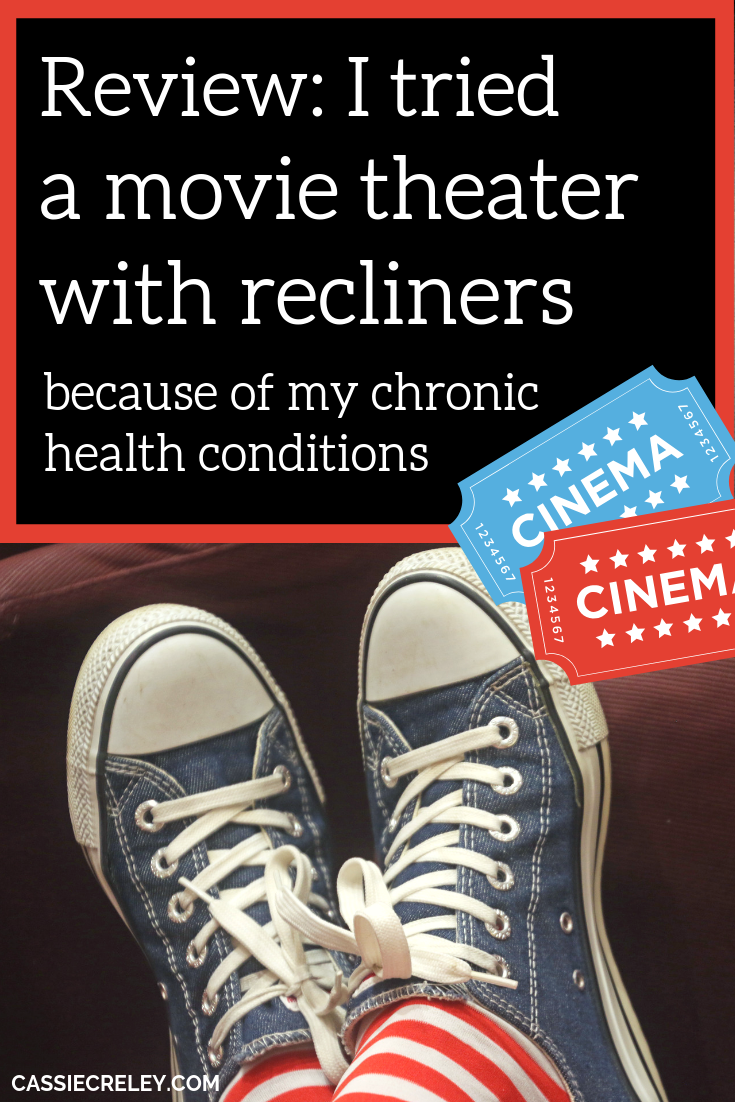
Review: I tried a movie theater with recliners because of my chronic health conditions
I FINALLY got to see Avengers: Endgame a few weeks ago!
(Don’t worry, this post is spoiler-free!)
I’ll share what I thought of trying a movie theater with recliners for the first time, as well as some tips for going to the movies with dysautonomia, chronic fatigue, fibromyalgia, and other chronic illnesses.
I had been wanting to see Endgame for weeks, having waited a whole year after that cliff hanger. I was carefully avoiding spoilers in conversations and online. (I had to quit Pinterest after seeing two spoiler-y things. And I’m glad I didn’t look up the meaning of two things I saw on Facebook—I figured they were Marvel-related, and after seeing the movie, I’m so glad I didn’t, because they were indeed spoilers!)
-
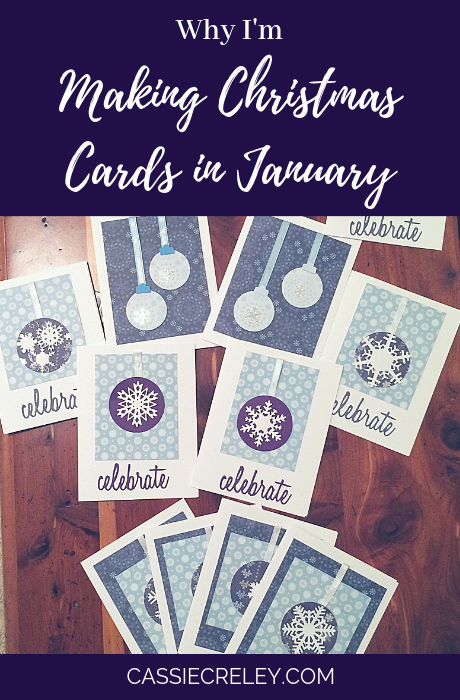
Why I’m Making Christmas Cards in January
Since Christmas, I’ve still been in a Christmasy mood. Which has been nice because it has made the season feel like it’s lasted a little longer. I was very unwell Christmas day, so this has helped. I still felt like making Christmas things, and I’ve actually had a little bit of energy this month to do so.
It has also helped that my parents got us a Sizzix embossing/die cutting machine for Christmas, which has been so fun to play with. Plus, it’s made card making very easy. (And watching tutorials on YouTube for using fun card cutouts while I’m crashed in a recliner has been inspiring. It’s nice to feel like I’m learning something and getting creatively inspired, vs. just being stuck recuperating.)
-
Brain Fog Broke My Internal Editor
Fibromyalgia has impacted my ability as a writer, and I’m just starting to understand all the ways it has. I’ve been trying to express it for awhile, with the irony being that it takes way more effort now for me to express anything. Brain fog has made it extremely hard for me to objectively edit my work. It’s like the editing part of my brain is broken.
Blogging has been much harder than I thought it would be, for reasons I didn’t expect. I knew energy to write was going to be a challenge, in addition to fighting through brain fog to express myself. But I wasn’t expecting to have so much trouble evaluating the quality of my work.
I was given a great piece of advice